
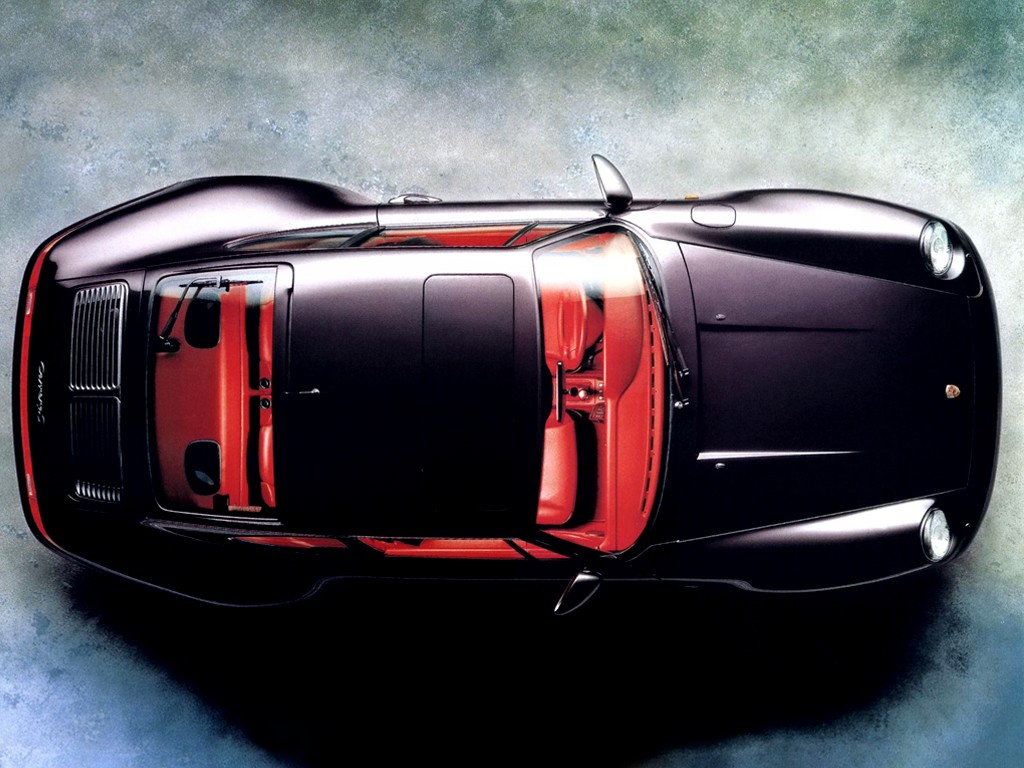
The 993 is credited as the Porsche that really put the “S” moniker into the spotlight. In comparison to the then-previous 964, the 993 further expanded the 911’s lineup, during which the widebody-look was mainstreamed rather than being exclusive to the Turbo models or being produced in limited quantities. It all began in 1995, when the first ever Carrera 4S was introduced in 993 form. To sum it up, it was a 911 Turbo but without its big wing or turbocharged engine; everything remained the same asides from those two differences. The model was praised by the Porsche community, as it opened the door to customers that had a liking towards the widebody, but were either unable to consider a Turbo or preferred the linear performance of a naturally-aspirated flat 6. Despite this, however, there was a customer base that were still left with their hands wide open by Porsche: those who preferred the raw driving experience that is rear-wheel drive. And so, as a result, another model came out of Stuttgart in order to satisfy this group of clientele, the Carrera S, or C2S for short.
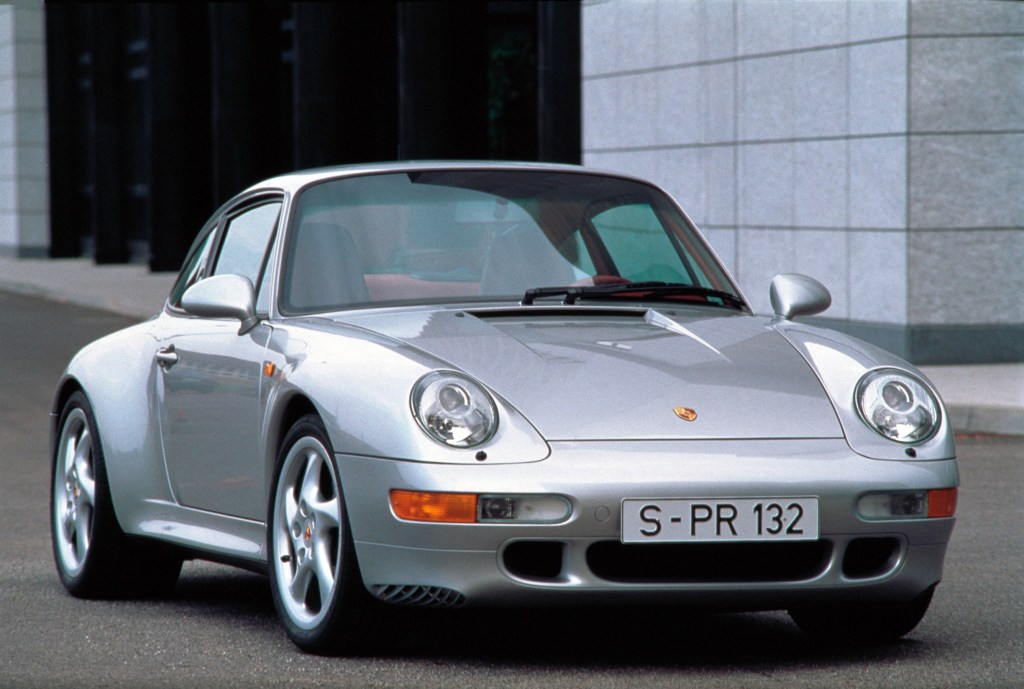
Introduced in late 1996 for the 1997 model year, the C2S is a widebody 993 with rear-wheel drive. Like the other Carrera models, buyers had the choice of either a 3.6 or 3.8L naturally-aspirated flat-6(the latter being available through the X51 Powerkit) producing 280 and 300hp respectively. To improve the center of gravity, the suspension is lowered by 10mm at the front and 20mm at the rear. Unlike the C4S, the car came equipped with the standard Carrera brakes rather than the “big reds”, which compensates for the car’s reduced weight. Thanks to the lighter weight and the RWD drivetrain, the C2S wins over the C4S in terms of acceleration and top speed, thus making it the “superior” car. The Carrera S also has the distinction of being the only car of the widebody 993s to be available with both the 6-speed manual and the 4-speed Tiptronic transmission. With automatic transmissions still inferior to manuals performance-wise at the time, it was not exactly a popular choice for the 993.
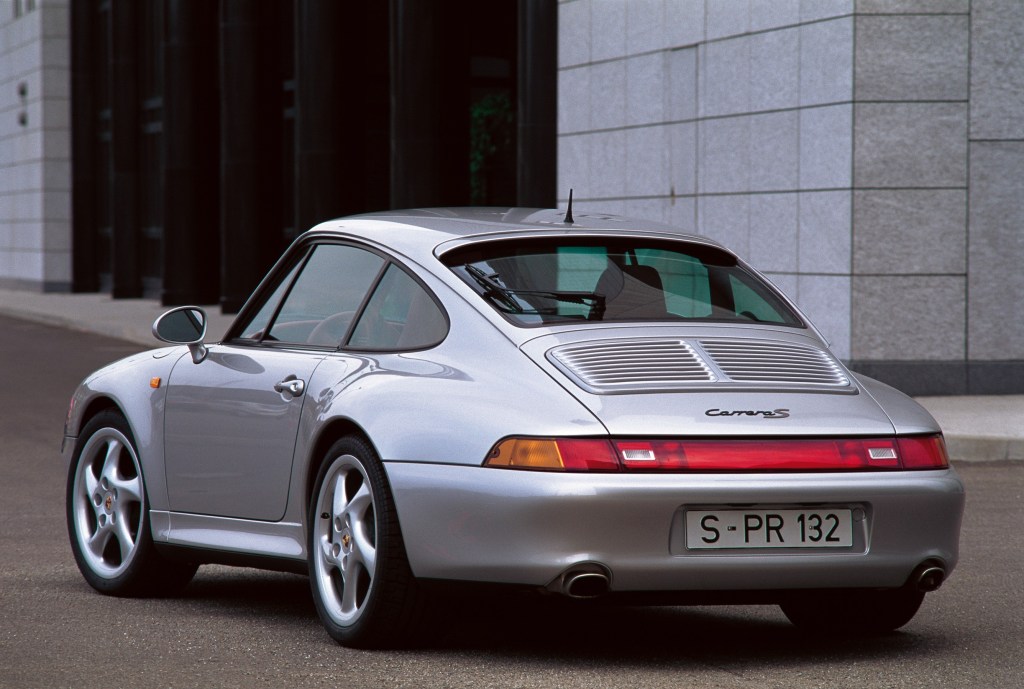
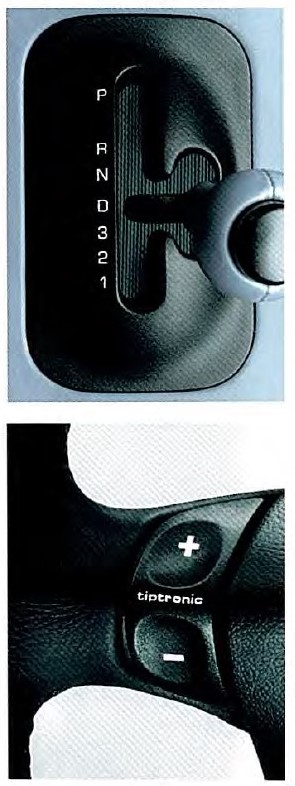
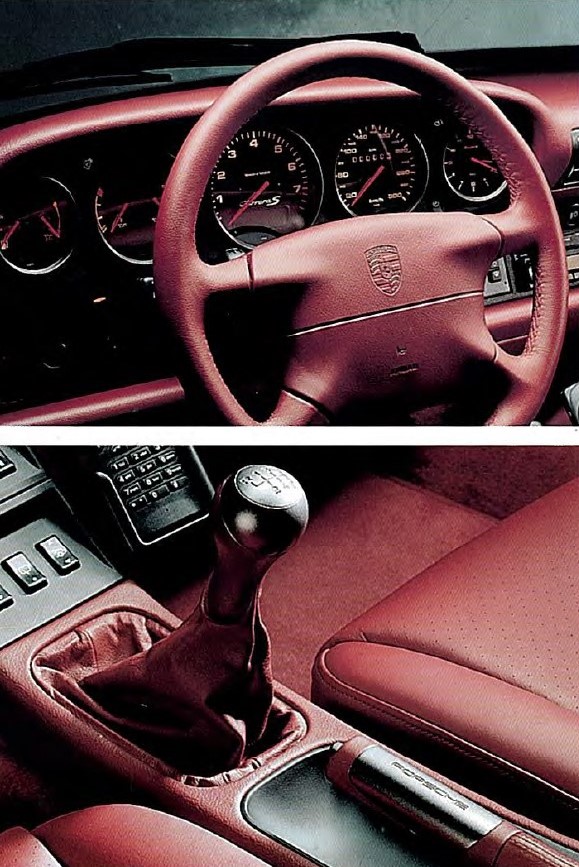
Aesthetically, the C2S is distinguishable from other 993 Carrera models by its split-grille rear spoiler, a feature so popular that narrow body and C4S often tend to add it to their cars aftermarket. Asides from that, it looks just like a C4S, as they share the same widebody platform from the Turbo. I previously mentioned how the C2S has the standard Carrera brakes; they are distinguishable from the “big reds” by their calipers, which are painted black from the factory. Jumping into the interior, there are some small cosmetic differences, though not major. Take a look at the instrument cluster, and you will notice a “Carrera S” script on the center tachometer. A little fun fact, this is the only 911 Carrera model to actually have its model script in the tachometer. Asides from it, only the Turbo and GT models have that tiny detail. There is also the gear lever unique only to the C2S, which appears similar to the Tequipment gear lever, but made of plastic.
Though only cosmetic, there was a colour that for exclusive to the Carrera S, Vesuvius Metallic. When ordered, it also allowed for the selection of the Cup wheels painted in the aforementioned colour, further complimenting the car. It is one of the rarest colours on the 993, with only 24 cars sold with it in the United States, so it makes those cars very desirable in the second-hand market.
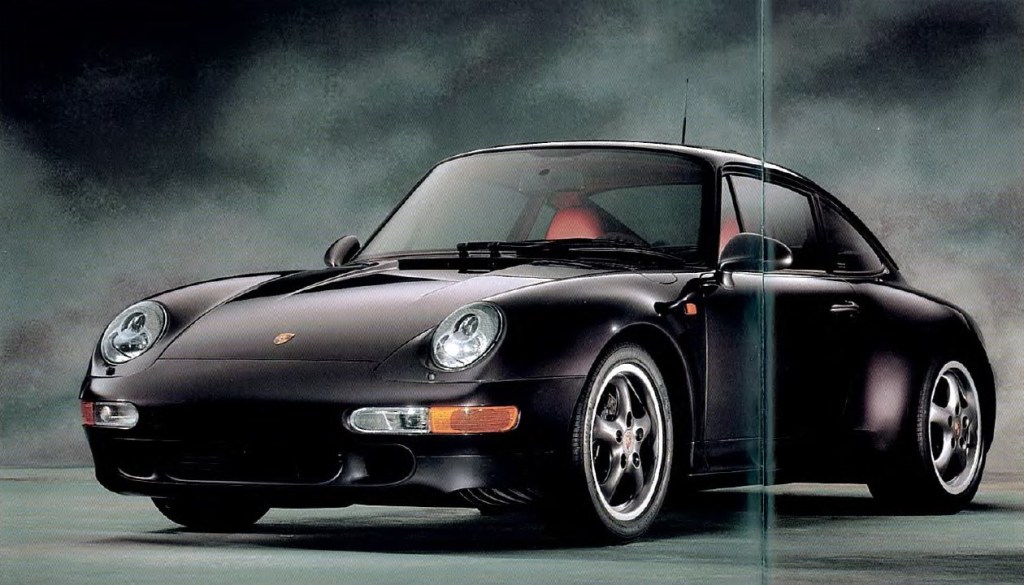
Porsche produced the Carrera S for both the 1997 and 1998 model years in North America, during which 1,752 were sold in the continent alone out of a total of 3,714 cars produced for the entire world. The low production figures is due in fact because of the car being introduced near the end of the 993’s lifecycle.In fact, these cars were assembled alongside 996s throughout late 1997 to early 1998 before the 993 ceased production for good in April of that year, marking the end of air-cooled Porsches.
Within the craziness that is the air-cooled market today, the C2S is among the top cars which are the most desirable. Take a look at second-hand car sales websites, and you will notice the premium they command not only over the narrowbody Carreras, but also the C4S. Depending on the example, these cars can command as much as, if not more, than a Turbo. This model being offered with two transmission choices, it is no surprise that the manuals command higher prices than Tiptronic examples, which can be found for substantially lower prices, as only the manual allows one to explore the rawness that this car brings.
All in all, the 993 Carrera S was perfect conclusion to Porsche’s air-cooled era. To take the attractive widebody shape of the 993 and combine it with a rear-wheel drive powertrain; it is the perfect recipe for a driver’s car. It comes to show that engine horsepower is not necessarily the priority when making a car that is enjoyable to drive, but rather, the components that would improve handling. With the 993 being my favourite of the air-cooled Porsches, I won’t hide the fact that I am well into the widebody variants. Sure, the Turbo model was as quick as a rocket for its time, yet stable in most driving conditions, but there is just something about a widebody car that is loud and fun to throw around corners at the same time.
Best Regards,
Juan Reyes-Abreu
 PorschePassion.net