
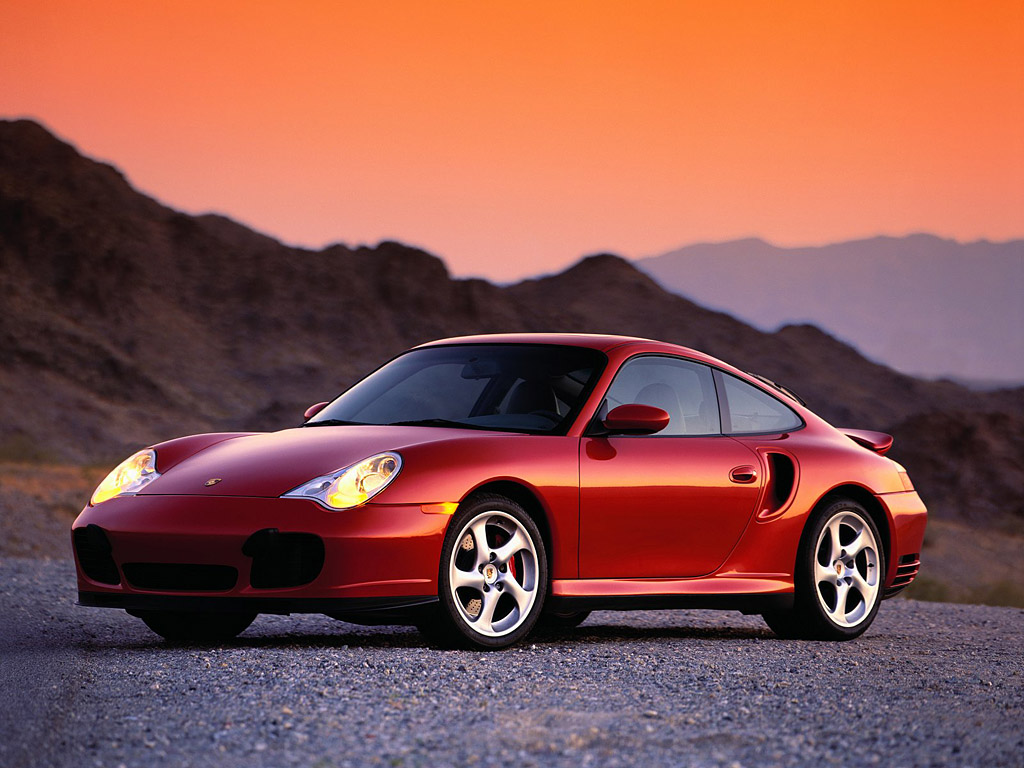
Every Porsche-head admits it, the 996 is near the bottom of their list when it comes to their favorite Porsche. When introduced in 1997, it marked a departure from the trademark ins and outs seen on previous 911 iterations. Firstly, the body, which steered clear of the squared lines seen since 1963 in favor of more round and aerodynamic body styling that would aid fuel efficiency. Then there was the interior, parting ways with the layout seen for over 30 years, and instead adopting a design that was more with the period. It was the change in engine architecture, however, that would separate the 996 and all future 911s from the previous generations. Believing that the limit was reached with the development of the air-cooled engine, and to meet the strict emissions regulations in places like Europe, the engines were made to be water-cooled.
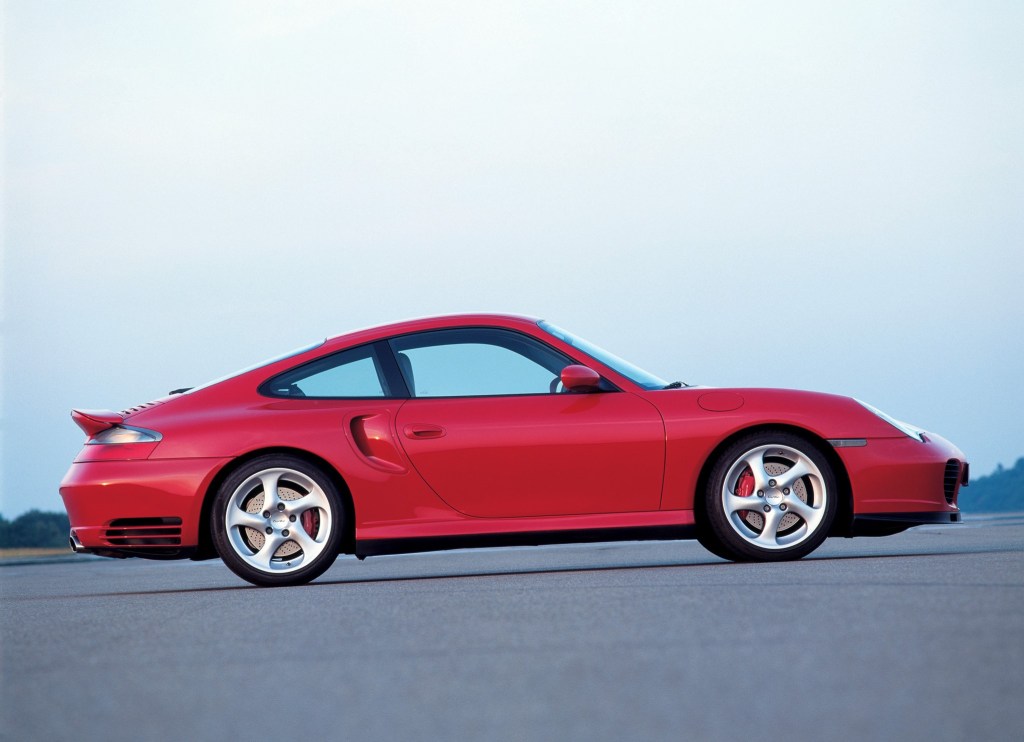
Reception to the initial 996 Carrera models was mixed. Some welcomed the blank sheet of paper approach to the model while others criticized the drop in build quality and the many similarities with the then-new 986 Boxster. Even if the first 996 Carreras were better in the power department compared to narrowbody 993s(300hp vs 270hp of the pre-Varioram cars), the latter was a better built car overall. To make matters worse, the intermediate shaft(IMS) bearings in these new cars were prone to failing, causing catastrophic damage to the engine. As excellent of a designer as Pinky Lai may be, he had to comply with the production budget given to him by Porsche, so a few of his desired elements had to be scrapped, such as the headlights being round and separate from the turn signals. After all, Porsche’s finances at the time were not looking pretty.

Being aware of the many flaws of the early 996 Carreras, Porsche set out to remedy many of those problems for the Turbo. With a higher budget thanks to the initial success of the 986 Boxster, the objective was not only to fix the aforementioned issues, but to also prove that the 911 Turbo was still a benchmark of a car meant to take on rival supercars which cost a lot more, while being a car that is very usable. And so, at the 1999 Frankfurt Motor Show in Germany, off came the covers of the new 996 Turbo.
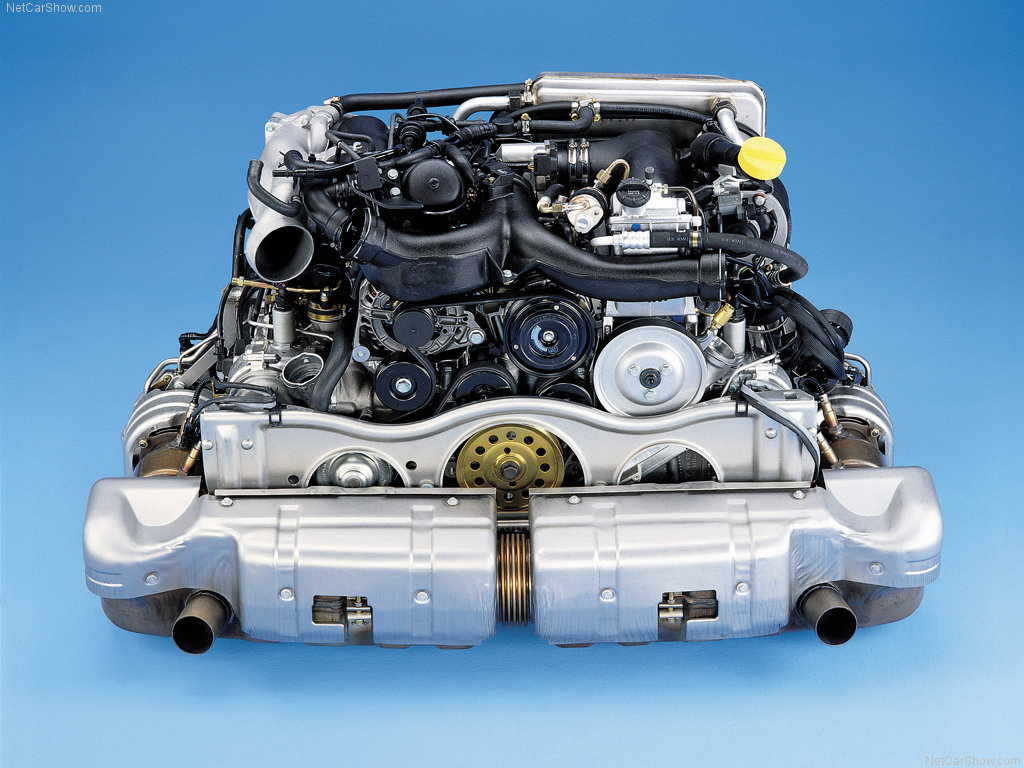
Porsche took what made the 993 Turbo the bug killer that it was and improved on those fundamentals for the 996 variant. The 996 Turbo’s source of power came from an all-new Mezger 3.6L twin-turbocharged flat-6 capable of putting out a good 420hp, put on the ground through an all-wheel drive system. For the first time, buyers had a choice of transmission for the Turbo, the classic 6-speed manual or a new 5-speed Tiptronic(torque converter automatic) transmission. As this is the 911 Turbo, it must stand out from the Carrera models. That means a wider body, a rear wing, and of course, a lot of air intakes to feed those turbochargers that give you that kick of speed when the gas pedal is floored. Thanks to new intakes behind the rear doors, cooling to the inter coolers is improved, which equals to more power. Other aesthetics were revised as well for the Turbo, such as the headlamps which have a distinguishable design from the ones seen on the Boxster and the early 996s, and the revised twist wheels first seen on the 993.

Sales began in North America in 2000 for the 2001 model year, and immediately the car was a hit. Back in the early 2000s, the supercar horsepower standard was just about touching 400hp, so for the 996 Turbo to be clear 20hp from that figure was quite the achievement. Drag race it against its rivals from the period and it will likely humiliate them on straight line speed. For reference, the Turbo in stock form could do 0-100 km/h in 4.2 seconds if equipped with the manual transmission. Being an all-wheel-drive car it means that it can tackle whatever kind of climate conditions you throw at it. So if you live somewhere such as Canada, where we see both sunny summers and at times, harsh winter days, the car can easily handle year-round use. On the track, the 996 Turbo still delivers on the corners, but this is where one of the key weaknesses of all-wheel-drive cars can be felt, which is the tendency to under steer, but it is something that can me remedied through modifications. Don’t believe everything I say? Well, then perhaps the guys from Best Motoring could clarify for you everything I have just said about the 996 Turbo in the video below:
Several notable options became available on the car over its years in production. The most popular and desirable options on these cars is the X50 Package, which became available from the 2002 model year. If you ticked this option box when ordering your car, then the engine would be fitted with a bigger set of turbos and inter coolers, which when combined with a revised ECU and exhaust system, is good for an cool 450hp, a figure that to this day is up there with that of many new sports cars today. Additionally, the 996 Turbo was one of the first Porsche models available to order with the PCCBs(Porsche Ceramic Composite Brakes). For an additional $10,000, you’d get a set of brakes that would generate minimal brake dust and are very durable, but are not recommended if you would frequently track your car as they could get worn out rather quickly, and you’d be surprised at their replacement cost. Additional cosmetic options were available as well, such as more wheel options and the Aerokit, which would give the car new front and rear spoilers to improve aerodynamics over the standard look Turbo. For the first time since the 930, a cabriolet variant was available, introduced for the 2004 model year.
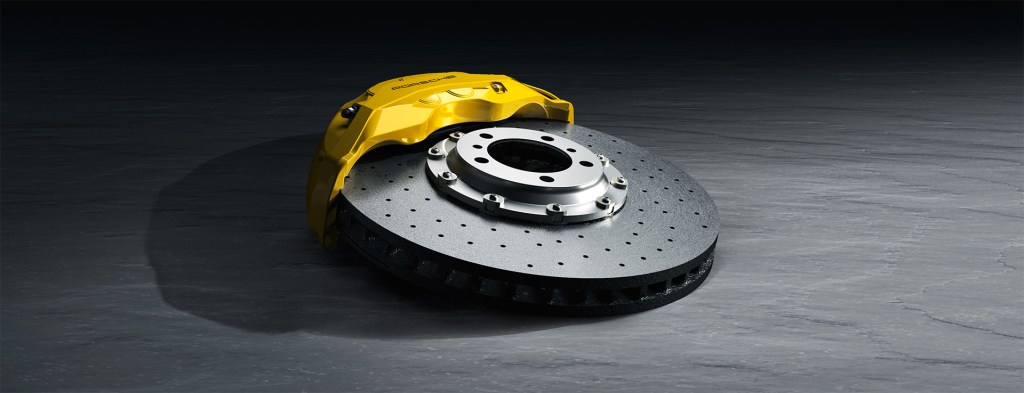
The 996 Turbo remained in production until the 2005 model year, around the time that the first 997 Carrera models rolled in. To send it off with a bang, Porsche introduced the Turbo S. Essentially, this model was just a 996 Turbo with the X50 Package and PCCBs as standard. A total of approximately 1,500 cars rolled out of the factory during its single model year run, so it is a relatively rare car.

Now being a 20 year old car, the 996 Turbo has proven to stand the test of time in certain areas. Powered by an engine producing 420hp at the minimum(450 for the X50 and Turbo S cars) means that it can keep up with even the latest 911s. These are figures that have only been reached recently by the Carrera models. Of course cars such as the 991 and 992 911s may be newer and full of many high-tech gizmos seen in many high-performance cars now, but their longer wheelbases and heavier weights can be detracting for some. Older 911s such as the 996 are just right in terms of size. It makes you wonder if we will ever see the 911 get smaller in the future. But with engines getting bigger, and more components needed to be fitted, this will likely not occur.
The exterior is one that you either love or hate, and I myself personally like it. Compared to the 993, the lines softened up a lot, and this can be noticed when you look at the car from afar. Get closer and you will notice the silent aggressiveness of the Turbo. Once a disliked appearance, many have come to accept the look only years later. Sure, Pinky Lai may not have been able to put all of his magic to work on the 996, but he sure designed a car that looks like it meant business. He would later go on to design the 987 Boxster and Cayman models. While on the topic of the exterior, I would like to bring a big point about the lights. They were the first ever in a production car to be made from Bi-Xenon, and to this day are still used in production cars; now that is pioneering.
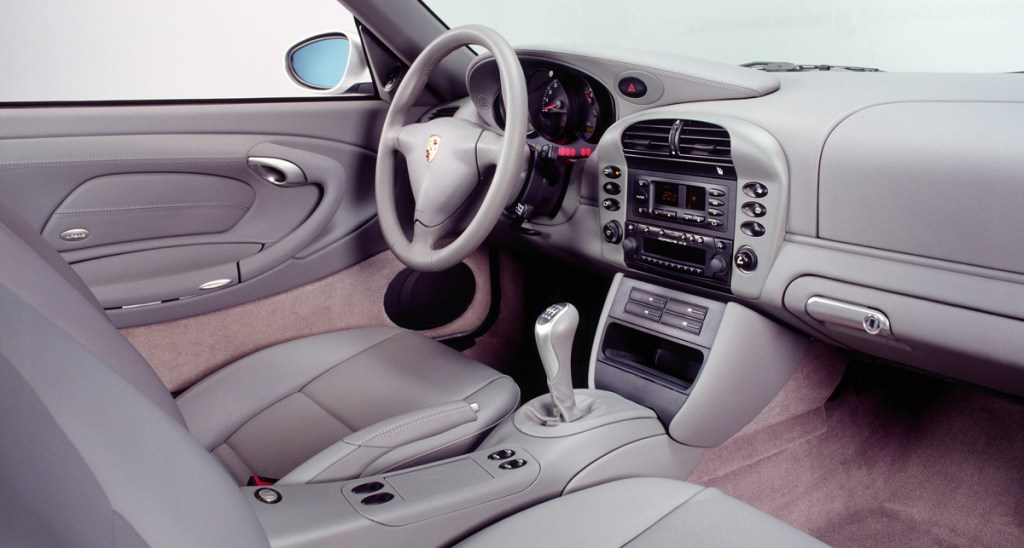
The cockpit of the 996 some may argue looks too 90’s/2000’s. As someone who has seen these cars in person, I would rephrase that to “ergonomic with a hint of simpler times”. Like the exterior, it was all new. No longer was each gauge separated, instead being joined together, a touch that modernizes the interior. This was carried over to the 997 and 991 as well. You also have a lot more going on towards the center of the interior, as there are more buttons to be found here. Given that the air-cooled 911s essentially used the same interior, only altered generation by generation, it was limited in the sense that you had to stick to the already established lines in order to add certain features. It was in the 996 that Porsche was finally able to install an infotainment system(one of the first versions of PCM). Just be aware, touchscreens were still not the norm they are today, so if you have a car fitted with a PCM unit, you’ll be doing all the navigating via buttons.And just like the exterior, it did away with the square and more with the circle. Despite this, it is still very functional; no funny quirks here.

For many years after its release, the 996 Turbo market was a quiet one, so the cars depreciated as you expected them to for a numbers of years, specially when the 997 Turbo was in production. To show you what I mean, a good, unmolested example could be had a few years ago for $40-50K. But as the 911 Turbo began to shift away from the fast and fun personality it once had and into being a really fast 911 aided by the PDK transmission, the value of these cars began to rise. So now, all of these good examples of 996 Turbos can now cost you as much as $80,000, depending on kilometres and options. And yes, a manual car will cost you more than an equivalent car fitted with the Tiptronic transmission.

If you are in the market for a 996 Turbo, do your best to find an X50 car. You’re gonna be paying more than what you would for a standard Turbo, but the 30hp boost alone makes it well worth it. You’ll be thanking yourself when you have a chance to really squeeze the gas pedal. Of course, there is nothing wrong with getting a car not equipped with the option, but just make sure that you do your due diligence in order to know what you are getting into. And in terms of the Turbo S cars, I personally would skip them altogether, the reason being that their current market prices, which can range anywhere from $100-140K, are knocking well on the door of 997 Turbo prices, and you should not think it twice about getting into the latter car if you have such budget.
So, is the 996 Turbo a buy in 2020? The answer is yes. If you are looking for competitive performance in a car that is the right size, and does away with excess interior features and driving nannies seen in cars now, then this is a good car to look at. I deem it to be a great stepping stone into 911 ownership, or if you are a 911 Carrera owner, a way to experience the Turbo difference. Just do yourself a favor and go for the manual transmission, which if you didn’t know, is superior to the Tiptronic in the speed times, and is also how you get the most out of the car. These were the early days of automatic transmissions being fitted into sports cars, and we were still far away from the age of dual-clutch gearboxes. I can only recommend the Tiptronic if you have family members driving the car or if you are unable to drive manual transmission cars. In an age where driving aids and automatic transmission rule supreme, the 996 Turbo is now considered a classic, and if you wait long enough, you could very well get a return on your investment should you choose to sell yours.
Before I end this post, I would like to make an announcement. On October 4th, Toronto-based Porsche club P.C.C will have a 20th anniversary celebration of the 996 Turbo. I’m looking forward to it as there is simply no better way to celebrate the still-menacing supercar from Porsche. If you would like more info, click on the link above to join the Facebook group.
If you enjoyed reading this post, feel free to look at my previous “Retrospect” posts, or the rest of my website.
I hope you are well and safe during these uncertain times.
Sincerely,
Juan Reyes-Abreu
 PorschePassion.net