
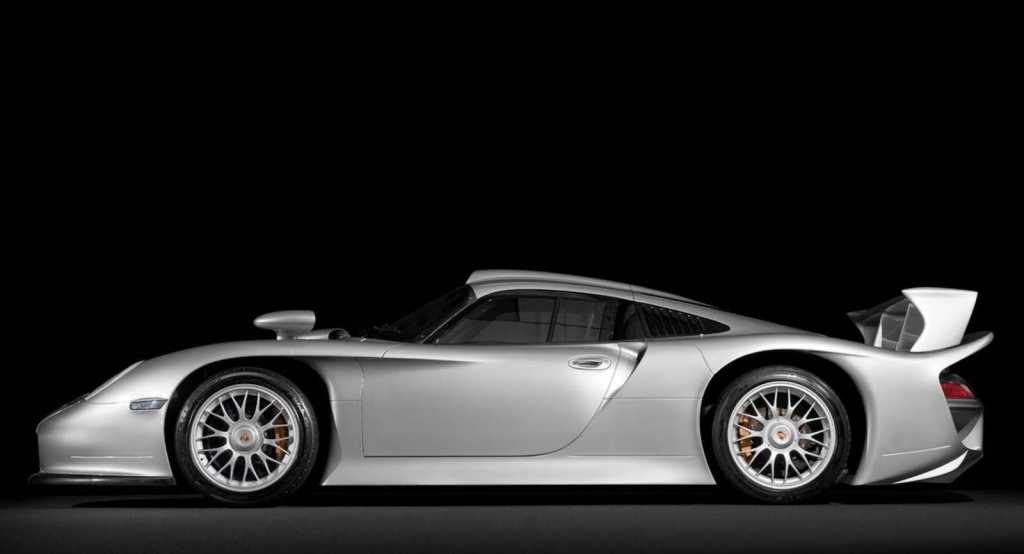
Porsche are known as veterans within the racing circus. Though their short stints in Formula 1, the pinnacle of motorsport, have been shown to be both successful and unsuccessful, they have been at the forefront of the second-best racing category in the world, LeMans Prototypes. In simple terms, they have won all there is to win, throughout various decades. But I wanted to talk about their mid-to-late 1990s stint in LeMans, which gave us one of the coolest 911 models in existence.
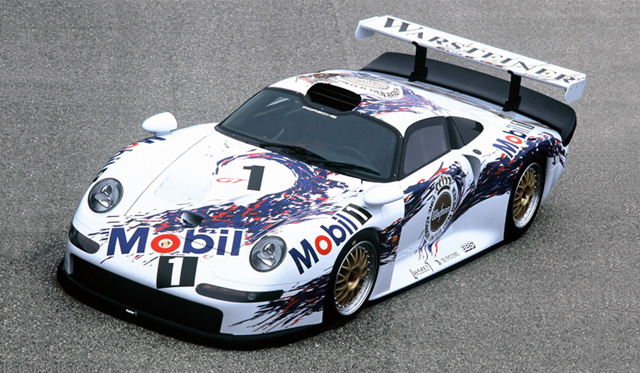
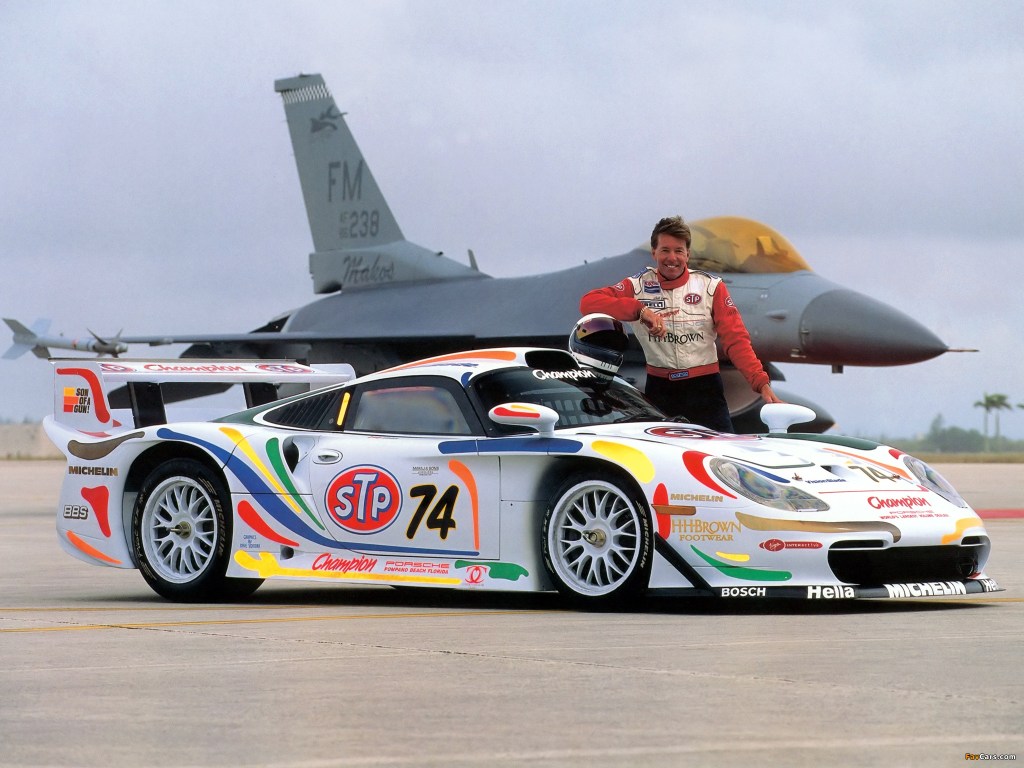

In 1997, Porsche introduced its evolution of its 911 GT1 racecar, the EVO. Like the former, the latter was also built on a chassis different from that of the standard 911 models, but with revised bodywork that would yield aerodynamic improvements and a look that reflected that of the then-new 996 911. The engine remained the same; a 3.2L twin-turbo flat-6 equipped with water-cooled heads producing 600hp. Thanks to its revised bodywork the EVO had improved acceleration over the original GT1, despite the carryover of the engine. Regulations for the 1997 FIA GT World Championship require that a minimum of 25 road cars be produced based on the car they were entering in the championship, and so, Porsche got to work on taming its race machine for the streets.
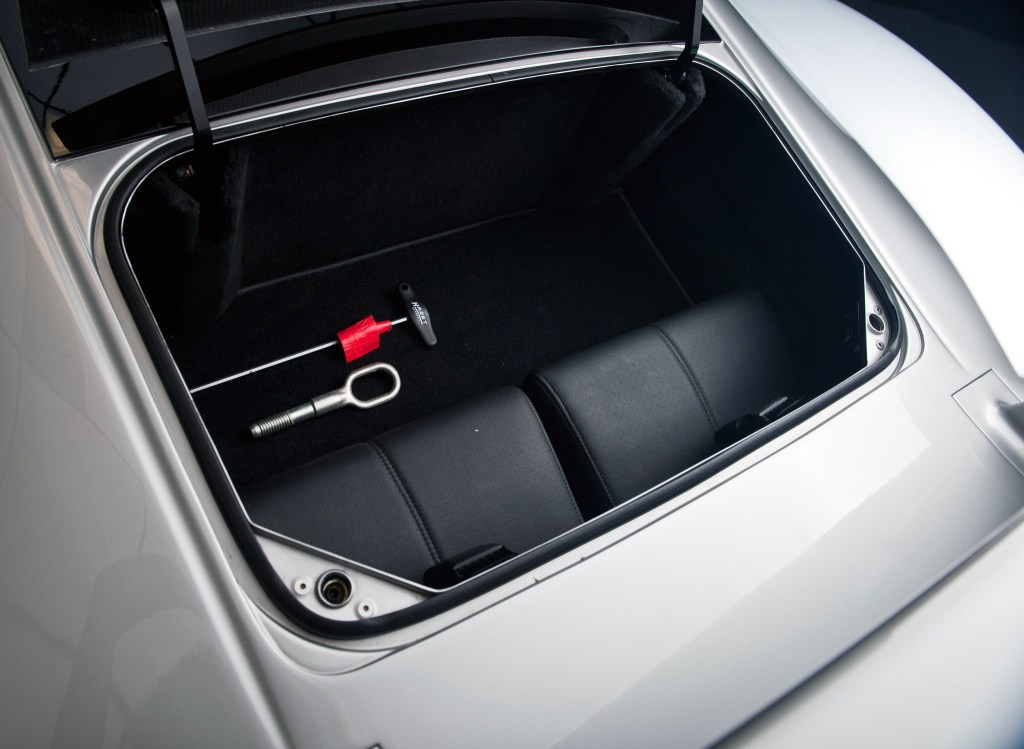
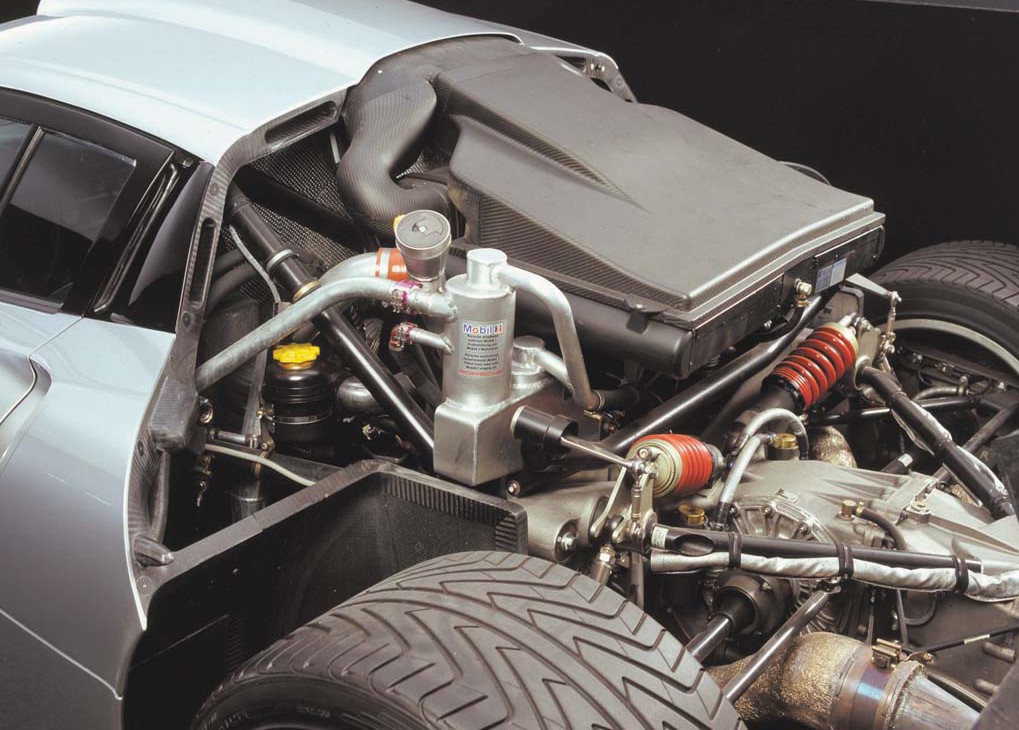

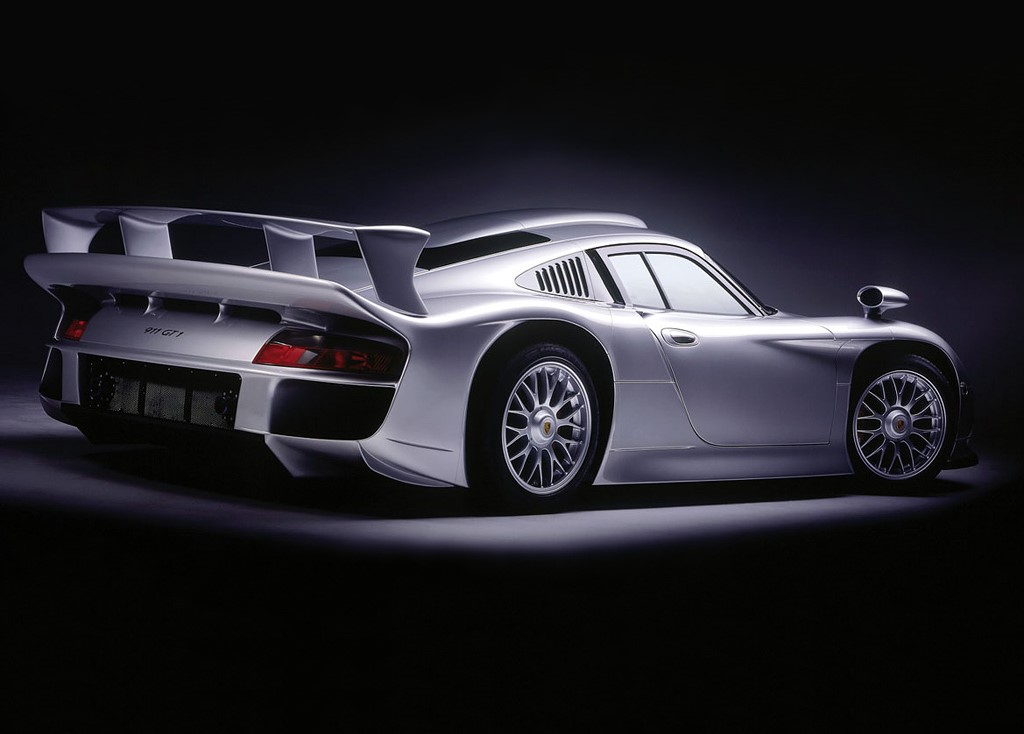
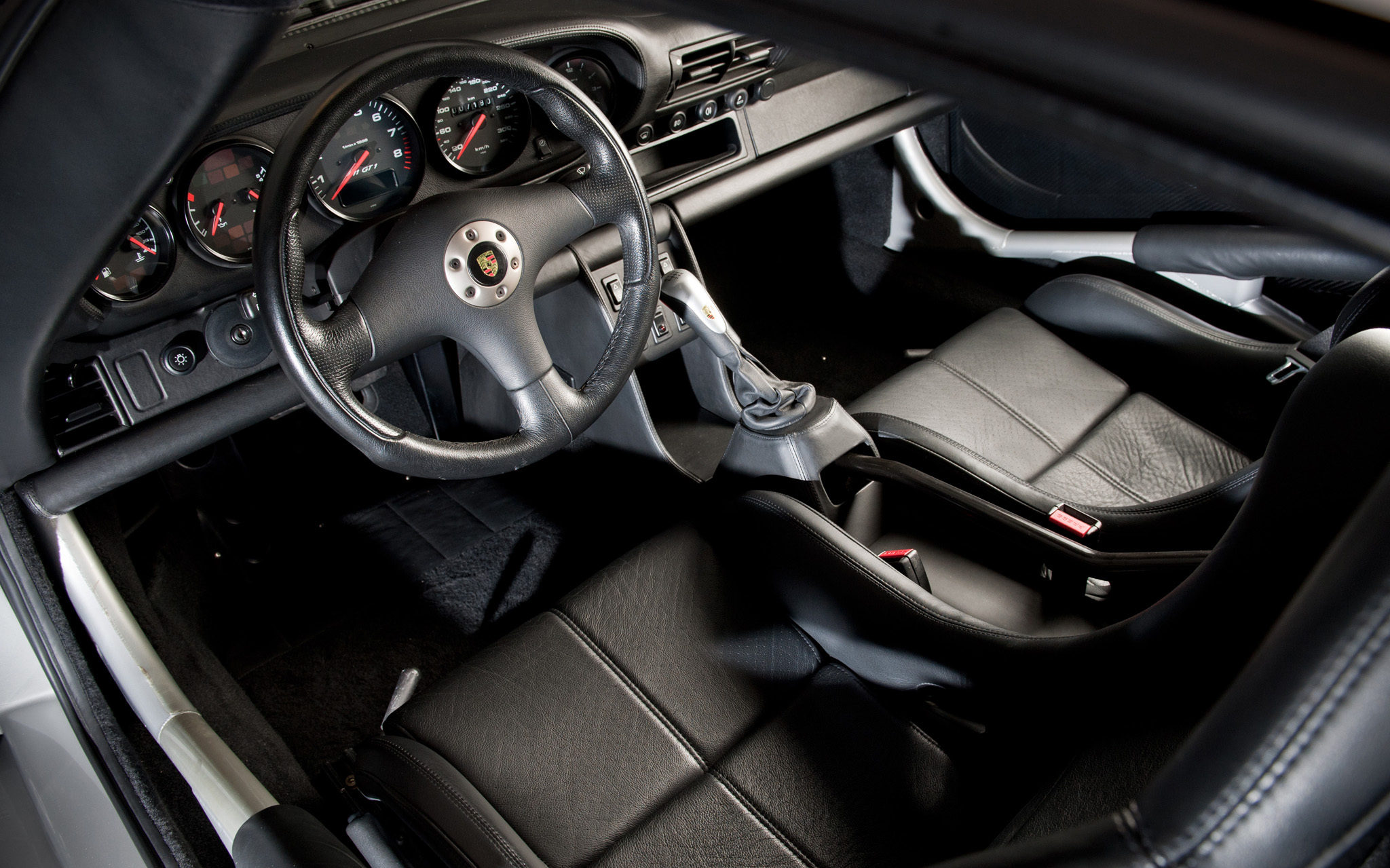
Enter the 911 GT1 Straßenversion. Porsche’s answer to this mandated rule by the FIA. For the car to be road compliant and usable, a number of modifications had to be made. The 3.2L flat-6 had its power detuned to 540hp so that it could meet the strict Euro emission regulations; this was still a top horsepower figure in the late 1990s. This allowed for a 0-100km/h time of 2.9 seconds and a top speed of 308km/h. Gone was also the 6-speed sequential transmission in favor of a 6-speed manual, as it was more appropriate in this street setting. Naturally, the suspension was also made higher so that the car was easier to maneuver even in places where road conditions may not be the best. Inside, it was all typical 911. Even though the 996 was already in production, the GT1 Straßenversion had an interior similar to that of the 993. The dash was carried over, and RS bucket seats were equipped which hug the driver and passenger well. Signs of the car’s racing nature are present as well; the shifter was positioned higher and closer to the steering wheel for faster shifting, and a roll cage remained present.
As previously stated, Porsche manufactured a total of 25 Straßenversions:20 production units and 5 prototypes. Most of them rolled out of the factory in Arctic Silver, but some examples were manufactured in other colors such as Zenith Blue and Pastel Yellow. Presently, these cars are a rare sight, more so than Porsche’s later supercar offerings. Though the original sticker price of these cars is relatively unknown, they command a hefty premium at the auction block. The most recent auction of one of these GT1s was at the 2017 Amelia Island RM Sotheby’s auction, where a 1998 example sold for $5.7 million. But high monetary values doesn’t detract from these cars actually being enjoyed, and thankfully, there are examples out there that are taken out and enjoyed just like most 911s we see on the road.
Below are 2 YouTube videos which are informative on their own right. The first one features a driving review by Tiff Needell in the Scottish backroads, who in the past had some track time with the race car version. The second video, made by DK Engineering, goes over how to operate the car, allowing one to see how it differs from the 993 and 996 from the period.
Within the Porsche community, the 911 GT1 is a model not often talked about. Definitely not as much as Porsche’s other supercar offerings the 959, Carrera GT, and 918 Spyder. The rarity of the car, as only 20 production cars are out there as previously stated, is likely the contributing factor. Though some examples are used by their owners, most of them are actually sitting in collections. Do note, this car was released at the height of Porsche’s financial troubles of the 90s. Would they have produced more units had it not been for this situation? Only the higher-ups of the time could answer that question. All of this shouldn’t prevent us from appreciating this car as it is. That period of FIA GT racing between 1995-98, it was something to behold. Some of the biggest manufacturers, with their top-tier machines, battling it out. And when the FIA mandated that they make road-going versions of these cars, manufacturers who had yet to comply with the rule, which included Porsche, we got what was almost a copy-paste of the car we’d see from our televisions or from the grandstands if you had happened to attend any of the races on the calendar. That is what makes this car, in my opinion, just a little more unique than others.
-Juan
 PorschePassion.net